
Pebbledash Painting in Derby
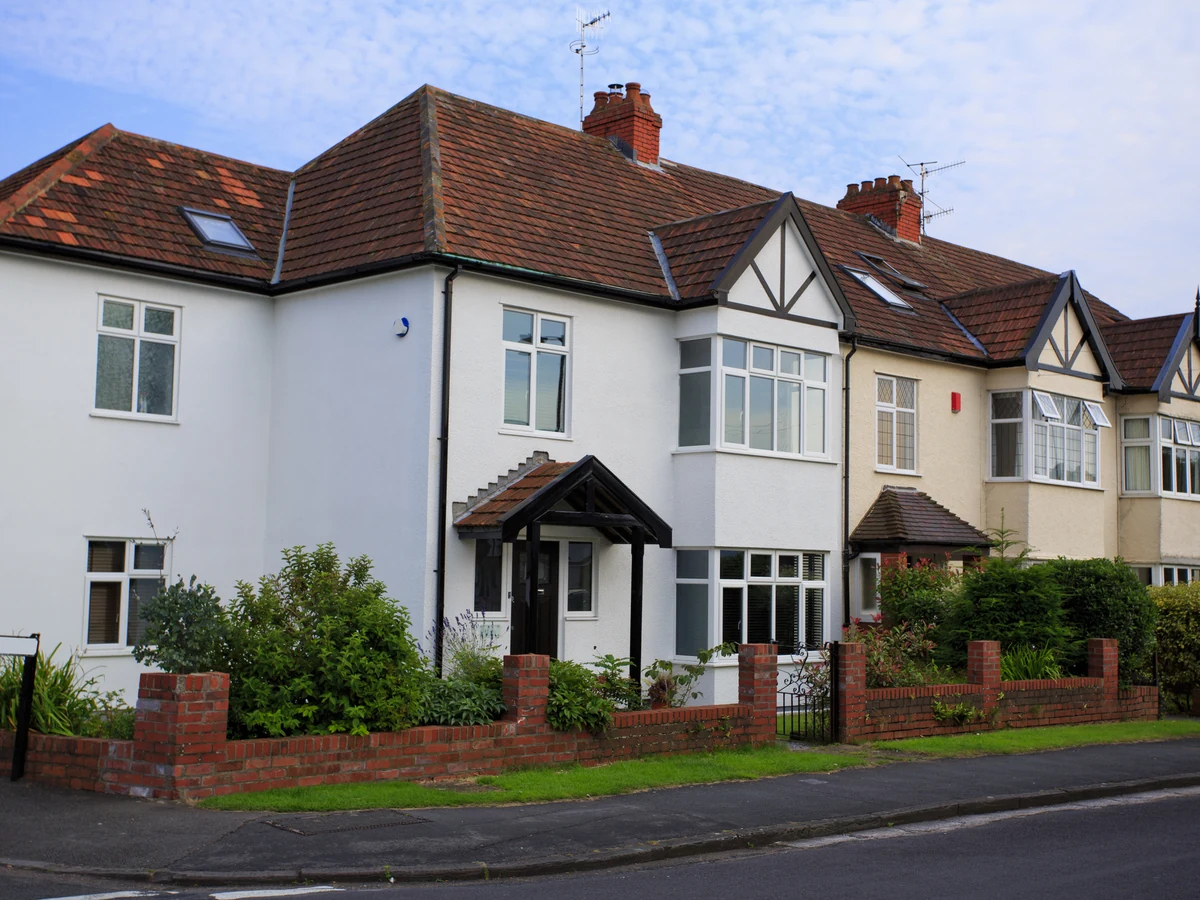
Derby Painters covers pebbledash painting across Derby, from full-house re-coats to partial upper-storey refreshes on interwar semis in Allestree, Mickleover, and Chaddesden.
What Derby Painters covers:
- Pebbledash upper halves: interwar semis in Allestree, Mickleover, and Chaddesden
- Full-house pebbledash: thorough coverage into every crevice
- Biological growth treatment: moss and algae on north-facing walls
- Pebble repairs: filling areas where stones have detached before painting
- Colour changes: refresh the existing tone or switch to a new shade
Derby has a large stock of 1930s and 1950s semis where pebbledash covers the upper storey. Properties along Park Farm Drive in Allestree, Etwall Road in Mickleover, and Chaddesden Lane have this finish in abundance.
How Derby Painters Works
Derby Painters connects Derby homeowners with our trusted local painter and decorator partner.
From the first site visit to the written quote, the work, and the guarantee that backs it, everything runs directly between you and your decorator. We make the introduction and stay on hand; they do the work and stand behind it.
Why Choose Derby Painters
Pebbledash Specialists
Long-pile application on Derby’s interwar and postwar semis. Full preparation included.
Clear Pricing
Your decorator provides a written quote for the agreed scope.
Fully Insured
Your decorator carries full public liability cover on every job.
Highly Recommended
Much of the work here comes from repeat clients and referrals.
Pebbledash Painting Services
Pebbledash requires specialist techniques that differ from smooth render or standard masonry.
How Pebbledash is Painted
Pebbledash is a rough exterior finish where small stones are pressed into a wet render coat. It creates a heavily textured surface that a standard short-pile roller cannot properly coat. Your decorator uses long-pile masonry rollers and works the paint in with a brush.
Pebbledash also uses significantly more paint per square metre than smooth render. Two full coats of thick masonry paint are standard. Cutting corners on coverage leaves dry patches within the texture that show up clearly within a season.
Preparation: Washing and Treating the Surface
Before any paint goes on, the surface needs to be clean. Dirt and biological growth trapped between pebbles prevent adhesion and cause early peeling. Your decorator pressure washes the entire area, then applies a mould treatment where moss or algae is present.
North-facing pebbledash walls on Derby’s semis tend to hold moisture and accumulate green growth faster than south-facing elevations. This is particularly common in Chaddesden and Mackworth. Treating this properly before painting makes a lasting difference to how long the finish holds.
Pebbledash Repairs Before Painting
Pebbles detach over time, particularly on older properties where the original render mix has dried and contracted. Your decorator inspects the surface before quoting and fills any areas where stones have come away using exterior filler.
Painting over unfilled voids leaves hollows in the surface that collect water and cause the surrounding paint to lift. Repairs are a standard part of the job, not an optional extra.
Partial Pebbledash: Upper Storey Only
The majority of Derby’s interwar semis have pebbledash on the upper half only. The lower section is usually brick or render. This is the most common configuration across Allestree, Mickleover, and Chaddesden.
Your decorator handles these jobs regularly, masking the boundary between finishes to keep lines clean. Access to upper storeys requires scaffold towers or ladders depending on height; your decorator assesses this at the quote stage and includes any access equipment in the price.

Colour Options and Paint Selection
Choosing a Colour for Pebbledash
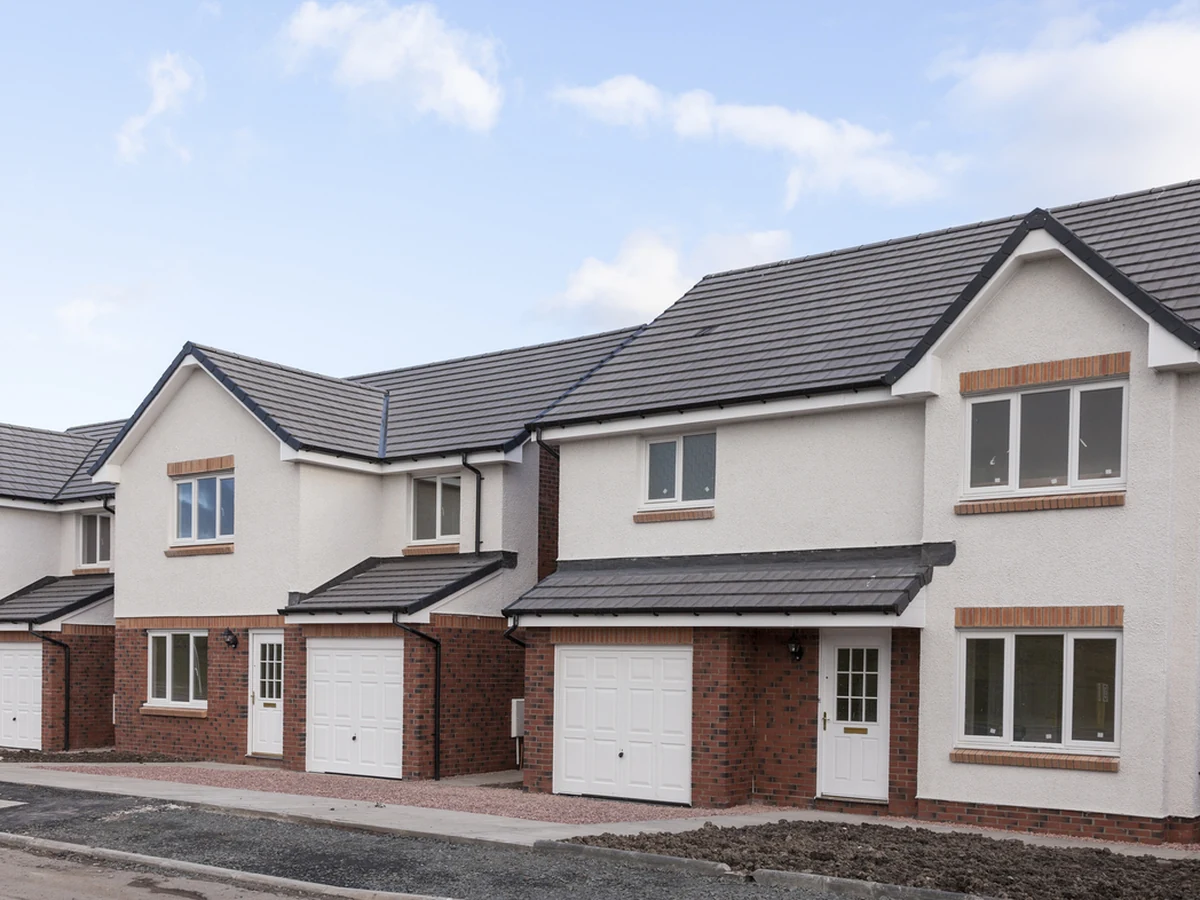
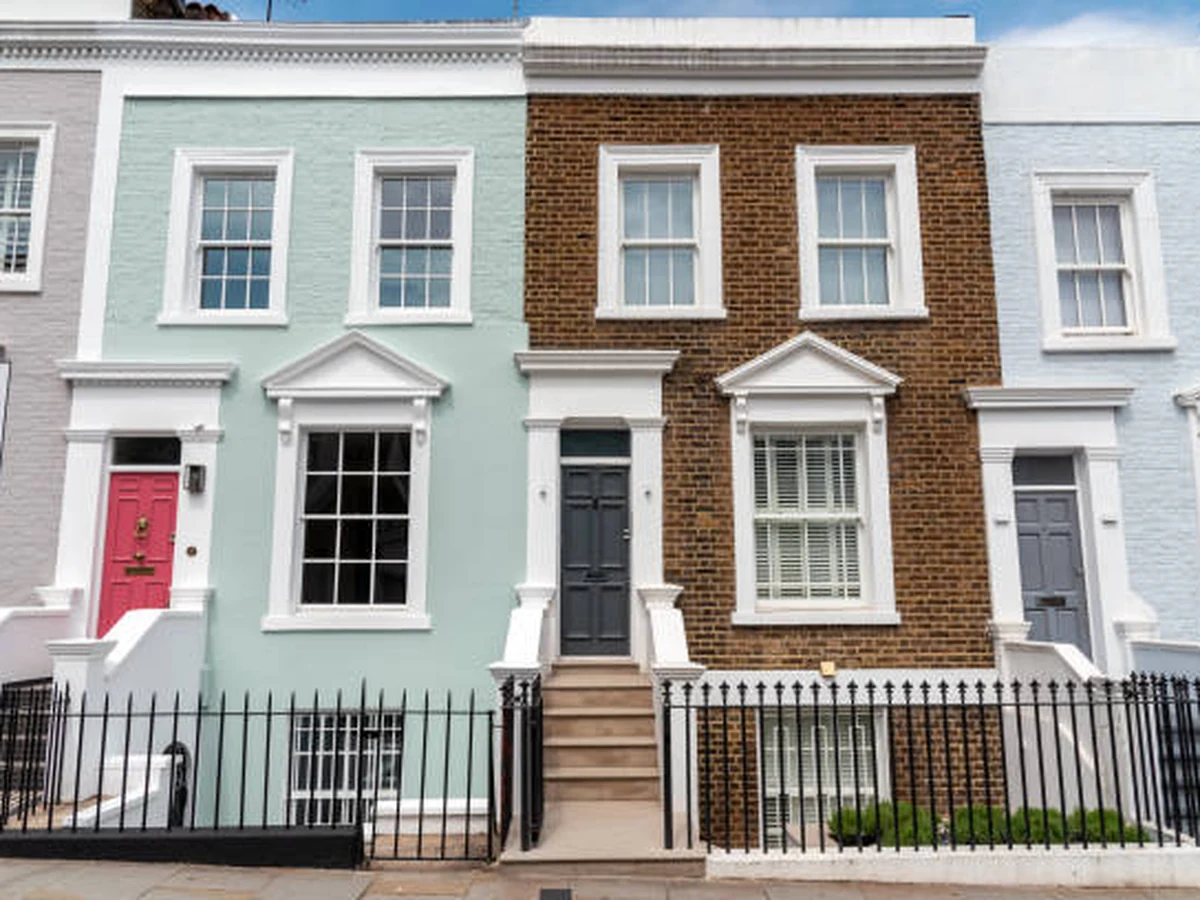
Pebbledash can be painted in any colour available in a trade masonry range. Neutral creams, warm greys, and off-whites are the most popular choices in Derby’s suburban streets. Colours like Dulux Pebble Shore or Sandtex Stone Grey sit naturally on a 1930s semi alongside painted brickwork below.
A colour change on a pebbledash upper half makes a dramatic difference to a property’s appearance. The textured surface catches light throughout the day, making a new colour read richly. Your decorator advises on shades that work with your brickwork and surrounding properties at the quote stage.
Paint Selection for Pebbledash
A thick, breathable masonry paint from a trade range is standard: Dulux Weathershield, Sandtex Ultra Smooth, or Johnstone’s Stormshield. The paint needs to be flexible enough to move with the surface through seasonal temperature changes and permeable enough to let the wall breathe.
Standard exterior emulsions are too thin for heavily textured pebble dash and tend to leave uncovered patches. Your decorator specifies the right product for each job and accounts for the higher paint consumption in the quote.
Here’s How It Works
1. Assessment
Your decorator checks the surface condition, extent of biological growth, any detached pebbles, and access requirements before quoting. price set out in your decorator’s written quote provided upfront.
2. Surface Preparation
Pressure washing, mould treatment where needed, and repairs to any areas where pebbles have detached. This is where a lasting job is won or lost.
3. Masking
Windows, doors, sills, and the boundary between pebbledash and smooth finishes are all masked off to keep lines clean.
4. First Coat
Thick masonry paint applied by long-pile roller and worked in with a brush to fill every crevice.
5. Second Coat
Applied once the first coat is fully dry. Full coverage confirmed before moving to the final inspection.
6. Final Inspection
Your decorator walks the property, checks coverage across all elevations, and completes any touch-ups before leaving.
Pebbledash Painting Costs in Derby
Prices below are estimates only. Every property is different.
Typical Price Ranges
Typical range: £550 to £2,200 depending on size and condition.
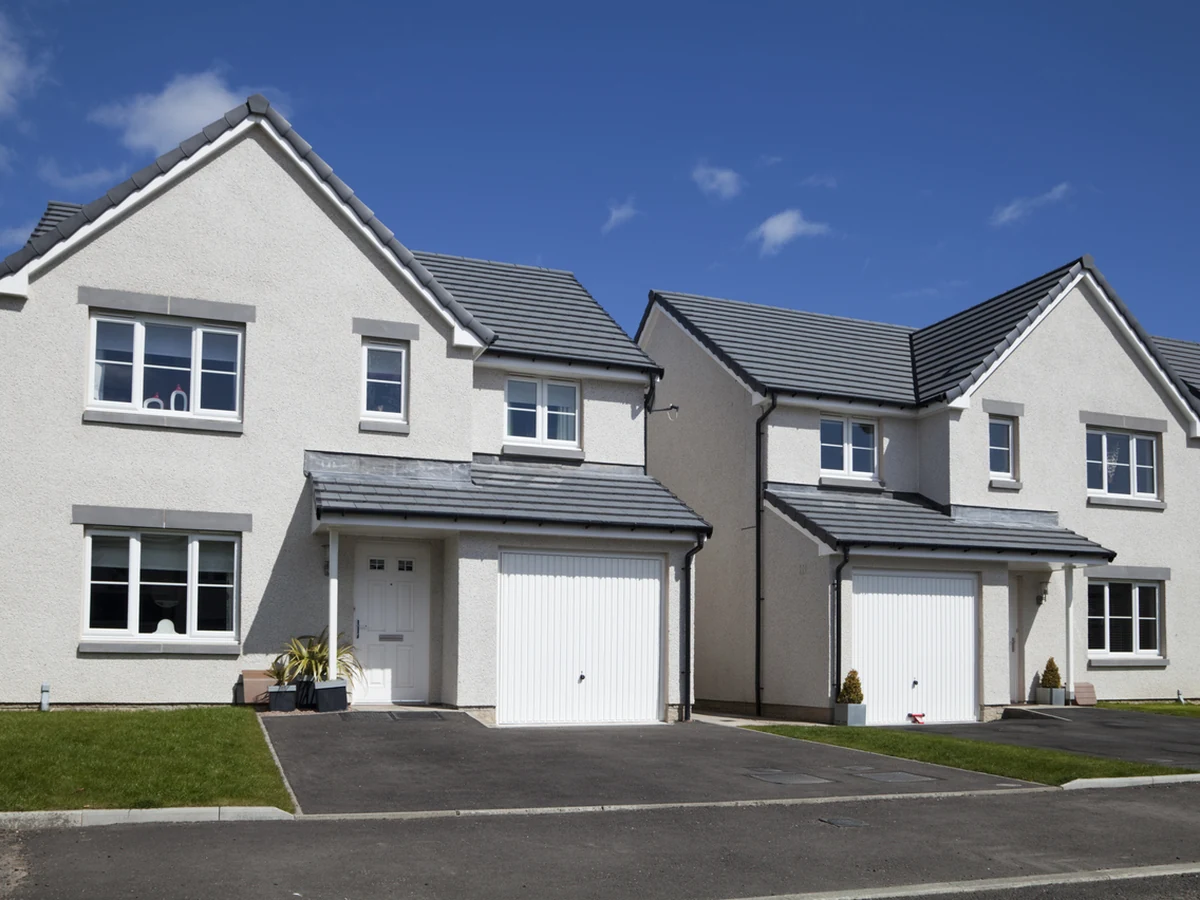
3-bed semi with pebbledash upper half: £550–£900. 3-bed semi (pebbledash throughout): £800–£1,500. 4-bed detached (fully pebbledashed): £1,200–£2,200. Scaffold tower hire (if required): £200–£400 additional.
What Affects the Cost
Coverage area: pebbledash uses considerably more paint per square metre than smooth surfaces, so larger properties cost proportionally more. Surface condition also plays a part, since heavily contaminated surfaces or extensive stone repairs add preparation time. Paint consumption is the third factor, as the texture demands two thick coats.
Related Services
For smooth rendered walls, see the render painting service. For the full range of exterior masonry work, visit masonry painting.
Many clients combine pebbledash painting with exterior painting at the same time, covering fascias, window frames, and any remaining painted surfaces in a single mobilisation.