
Render Painting in Derby
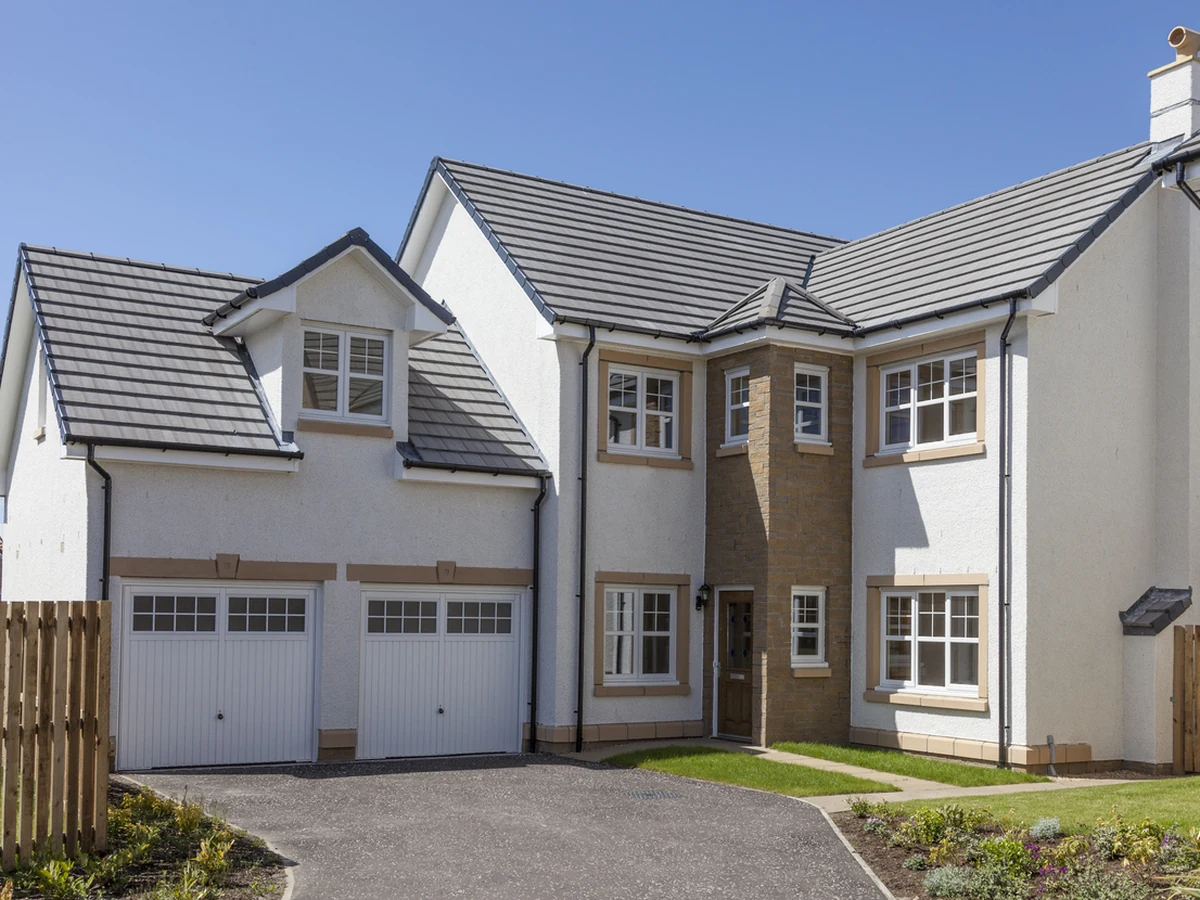
Derby Painters covers render painting across Derby, from smooth finish semis to postwar estate houses.
What Derby Painters covers:
- Smooth and sand-faced rendered walls: recoat or colour change
- Hairline crack filling and surface repairs before painting
- Biological growth treatment: algae and moss on north-facing render
- K-Rend and polymer render systems: compatible paint selection
- Lime render on period properties: breathable coatings applied correctly
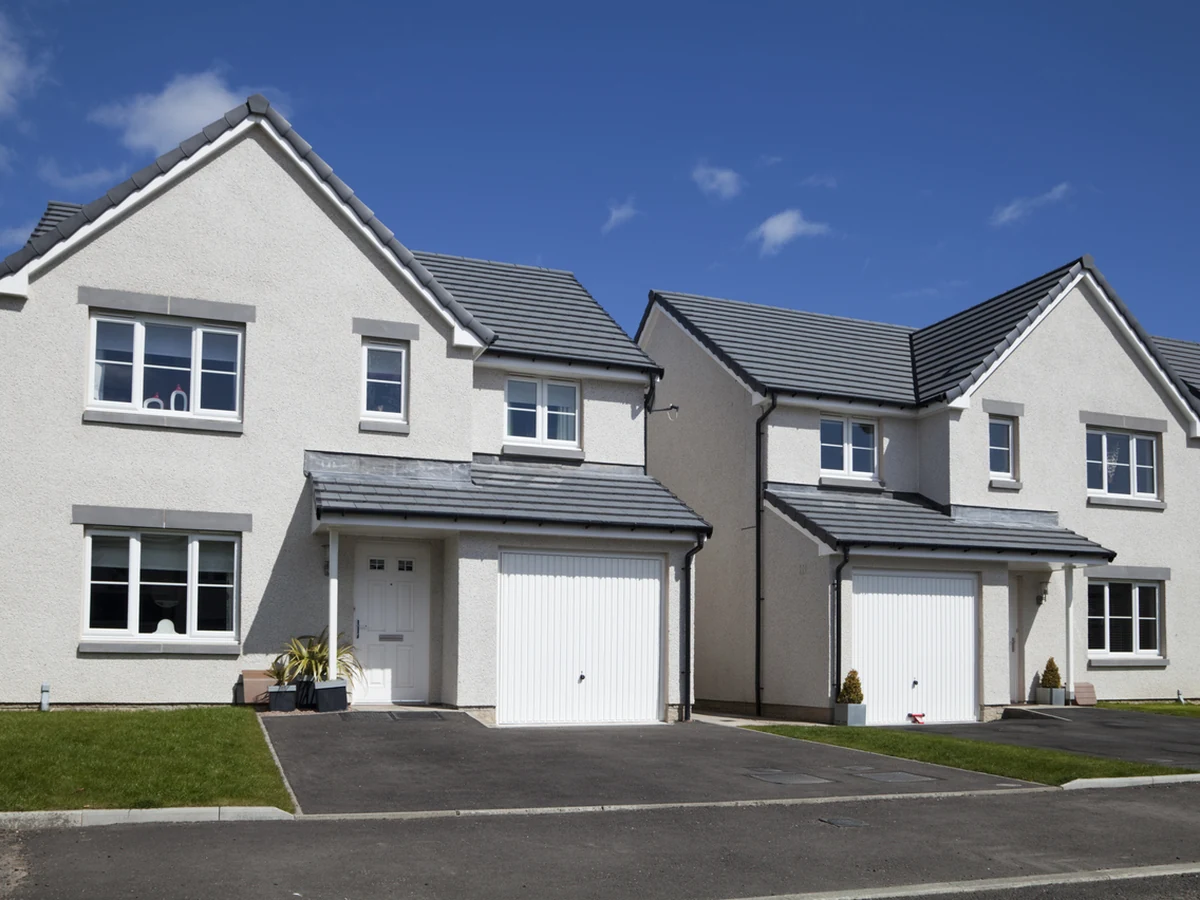
Derby’s postwar estates in Mackworth and Spondon have a substantial amount of rendered exterior housing. Properties along Ashbourne Road and Mackworth Road, and on Locko Road in Spondon, are good examples of the rendered finish common on 1970s and 1980s estate builds.
How Derby Painters Works
Derby Painters connects Derby homeowners with our trusted local painter and decorator partner.
From the first site visit to the written quote, the work, and the guarantee that backs it, everything runs directly between you and your decorator. We make the introduction and stay on hand; they do the work and stand behind it.
Why Choose Derby Painters
Render and Masonry Specialists
Smooth, K-Rend, lime, and polymer systems: correctly identified and painted on Derby properties.
Clear Pricing
Your decorator provides a written quote for the agreed scope.
Fully Insured
Your decorator carries full public liability cover on every job.
Highly Recommended
Much of the work here comes from repeat clients and referrals.
Render Painting Services
Rendered walls vary in type: each system needs the right product and preparation approach.
Smooth and Fine-Textured Render
The most common rendered finish across Derby’s postwar housing stock is smooth or sand-faced render. The surface takes paint well when it is clean, dry, and free from biological growth. Your decorator applies two coats of breathable masonry paint.
Properly prepared, the finish holds for a decade on a mid-century semi. A colour refresh on smooth render is one of the most cost-effective ways to update a rendered house: the change from a tired magnolia to a warm grey or off-white is immediate and significant.
Hairline Cracks and Surface Repairs
Hairline cracks are very common on rendered walls, particularly where the render has dried and contracted over decades. Left unpainted, they admit water. Left unfilled before painting, they remain visible through the finish coat and widen over time.
Your decorator fills hairline cracks with a flexible exterior filler before the painting phase begins. Larger cracks or sections where the render has parted from the surface are assessed at the quote stage. Your decorator advises clearly on any render repair needed rather than painting over a failing surface.
K-Rend and Polymer Render Systems
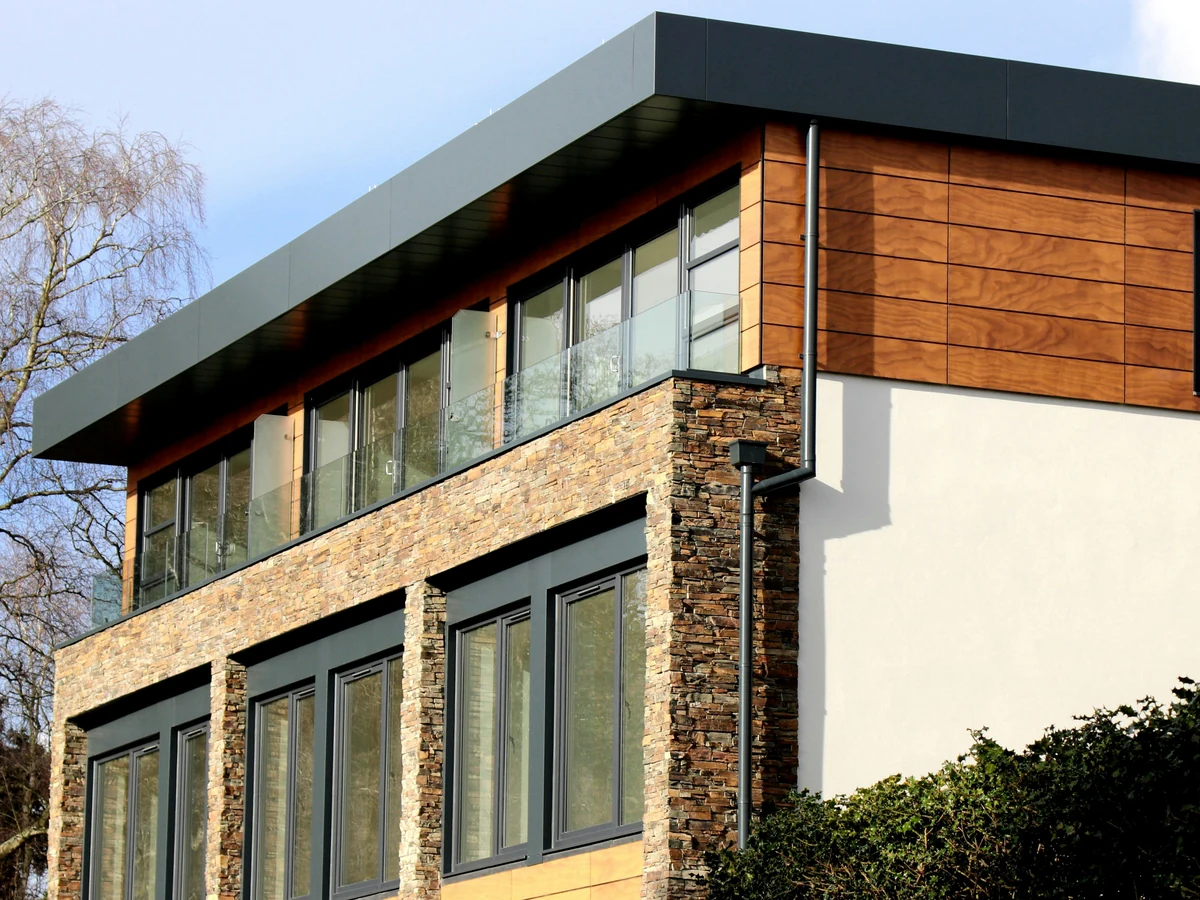
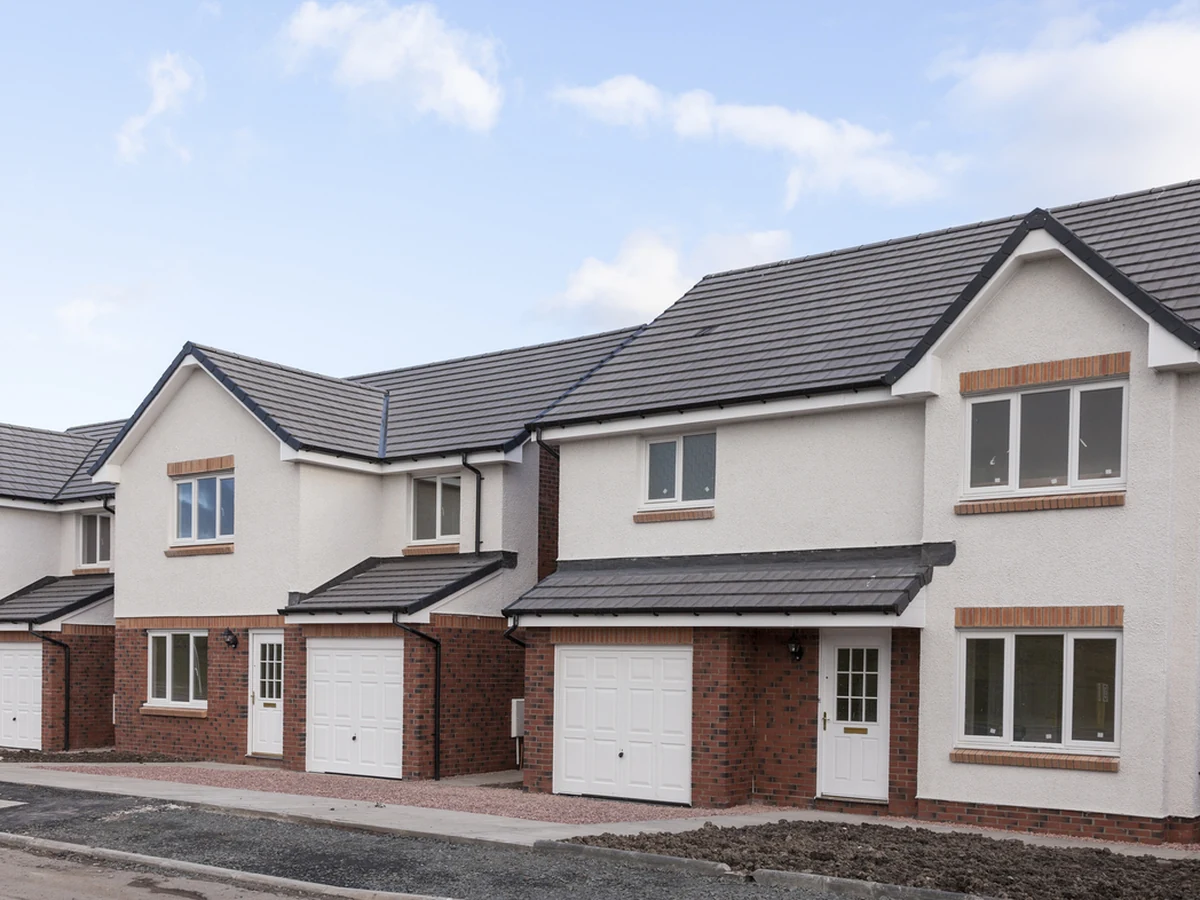
K-Rend and similar polymer thin-coat renders are found on properties re-rendered in the last fifteen to twenty years. They are increasingly common on new-build and refurbished properties across Derby’s suburbs. These modern systems are usually coloured in the mix and can be painted if the colour needs refreshing.
Painting K-Rend requires a compatible exterior masonry paint, since standard products can trap moisture and cause problems on polymer systems. Your decorator identifies the render type before specifying a product. Newer properties in Chellaston and Borrowash frequently have K-Rend systems applied as part of a recent renovation.
Lime Render on Period Properties
Some of Derby’s older properties have original or replacement lime render rather than modern cement render. Victorian and Edwardian homes in the Cathedral Quarter and Friargate area are the main examples. Properties in Duffield and the older village streets north of the city are also candidates.
Lime render is softer and more flexible, requiring a breathable coating that allows moisture vapour to pass through. Standard masonry paints trap moisture in lime render and can cause the render to lift and fail. Your decorator specifies vapour-permeable coatings on lime render properties and advises on this during the quote.
Biological Growth and Colour Changes

Biological Growth Treatment
Green algae and moss growth on rendered walls is most pronounced on north-facing elevations. In Mackworth and Spondon, rendered properties with limited sun exposure develop visible growth within a few years, even when the last repaint was done properly.
Your decorator treats biological growth with a mould treatment before washing and painting. Skipping this step means painting over active growth: the new paint will fail faster and the growth will show through within a season. Treatment is a standard part of the job on any rendered wall with visible discolouration.
Colour Changes on Rendered Walls
One of the most common reasons to repaint rendered walls is to refresh or completely change the colour. The textured surface takes colour well and the contrast between a tired magnolia and a fresh grey or off-white is significant.
A priming coat may be needed if the colour change is dramatic or the existing surface is very faded. Your decorator advises on this at the quote stage. Any colour available in a breathable trade masonry range can be specified.
Here’s How It Works
1. Surface Assessment
Your decorator checks for biological growth, cracks, render condition, and the render type before quoting. price set out in your decorator’s written quote provided before work starts.
2. Cleaning
Pressure washing or scrubbing to remove algae, moss, and surface contamination from all rendered elevations.
3. Treatment
Mould treatment applied where biological growth is present, allowed to penetrate and work before washing off.
4. Crack Filling
Hairline cracks filled with flexible exterior filler. Larger issues flagged and discussed before work begins.
5. Masking
Windows, doors, sills, and any adjacent surfaces protected carefully before any paint is applied.
6. Painting
Two coats of the appropriate breathable masonry paint applied by brush, roller, or spray. Coverage is checked before your decorator leaves the site.
Render Painting Costs in Derby
Prices below are estimates only. Every property is different.
Typical Price Ranges
Typical range: £450 to £2,500 depending on size and condition.
3-bed terraced house (rendered front only): £450–£800. 3-bed semi (all rendered elevations): £900–£1,600. 4-bed detached (fully rendered): £1,400–£2,500. Scaffolding (if required): £300–£600 additional.
What Affects the Cost
Surface condition: heavily algae-covered walls or walls with significant cracking add preparation time. Property height and access also matter, since two-storey renders without scaffold access require tower hire. A priming requirement can add cost too, as a priming coat may be needed before the two finish coats if the colour change is dramatic.
Related Services
For the heavily textured pebbledash finish found on Derby’s interwar semis, see the pebbledash painting service. For the full range of exterior masonry work, visit masonry painting.
Many clients combine render painting with a wider exterior painting project, covering fascias, soffits, and window frames at the same time.