
Period Property Painters in Derby
Derby Painters connects Derby homeowners with a trusted local painter and decorator for period property painting, covering listed buildings, conservation areas, and Victorian and Edwardian properties across Allestree and the surrounding area.
Derby Painters works with homeowners on period properties across Mickleover, Littleover, Chaddesden, and Allestree. Most clients come through referrals from neighbours on the same street.
- Lime plaster walls and ceilings
- Original timber joinery: skirtings, architraves, picture rails
- Sash windows and traditional casements
- Cornicing, ceiling roses, and decorative plasterwork
- Listed building and conservation area projects
How Derby Painters Works
Derby Painters connects Derby homeowners with our trusted local painter and decorator partner.
From the first site visit to the written quote, the work, and the guarantee that backs it, everything runs directly between you and your decorator. We make the introduction and stay on hand; they do the work and stand behind it.
Why Choose Derby Painters
Heritage Craftsmen
Lime plaster, original joinery, and period features treated properly.
Clear Pricing
Your decorator provides a written quote for the agreed scope.
Fully Insured
Your decorator carries full public liability cover on every job.
Highly Recommended
Much of the work here comes from repeat clients and referrals.
Period Property Painting Services
Victorian and Edwardian properties demand specialist techniques and materials. Every surface in a period home has specific requirements that standard decorating methods cannot address properly.
Lime Plaster Walls
Victorian and Edwardian properties in Mickleover, Littleover, and Chaddesden were built with lime plaster rather than modern gypsum. Lime walls move with the building. They need breathable paint that moves with them.
Your decorator uses mineral paints and breathable emulsions on lime plaster rather than vinyl or acrylic products that seal the surface. Sealed lime walls trap moisture and lead to cracking and delamination. Your decorator identifies lime plaster during the site visit and plans the finish system accordingly.
Original Joinery
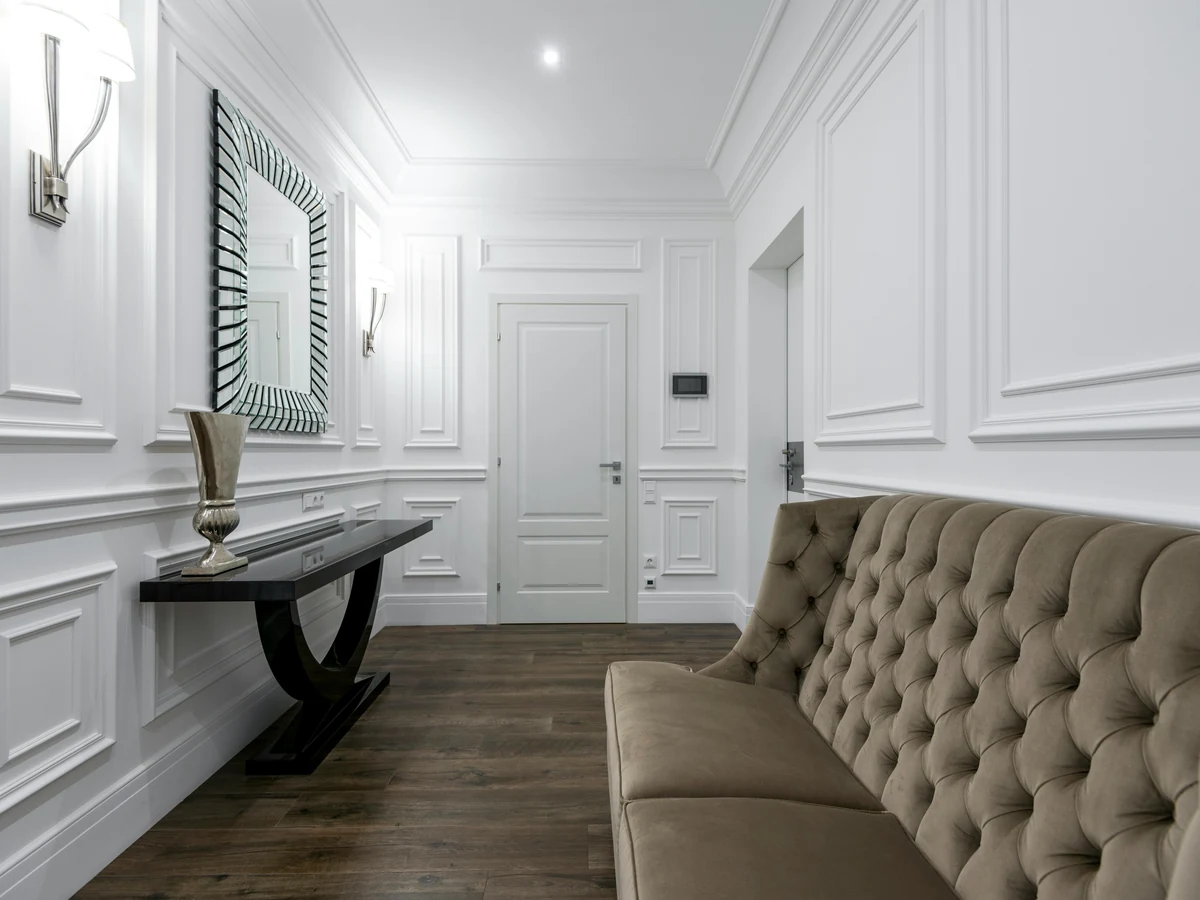
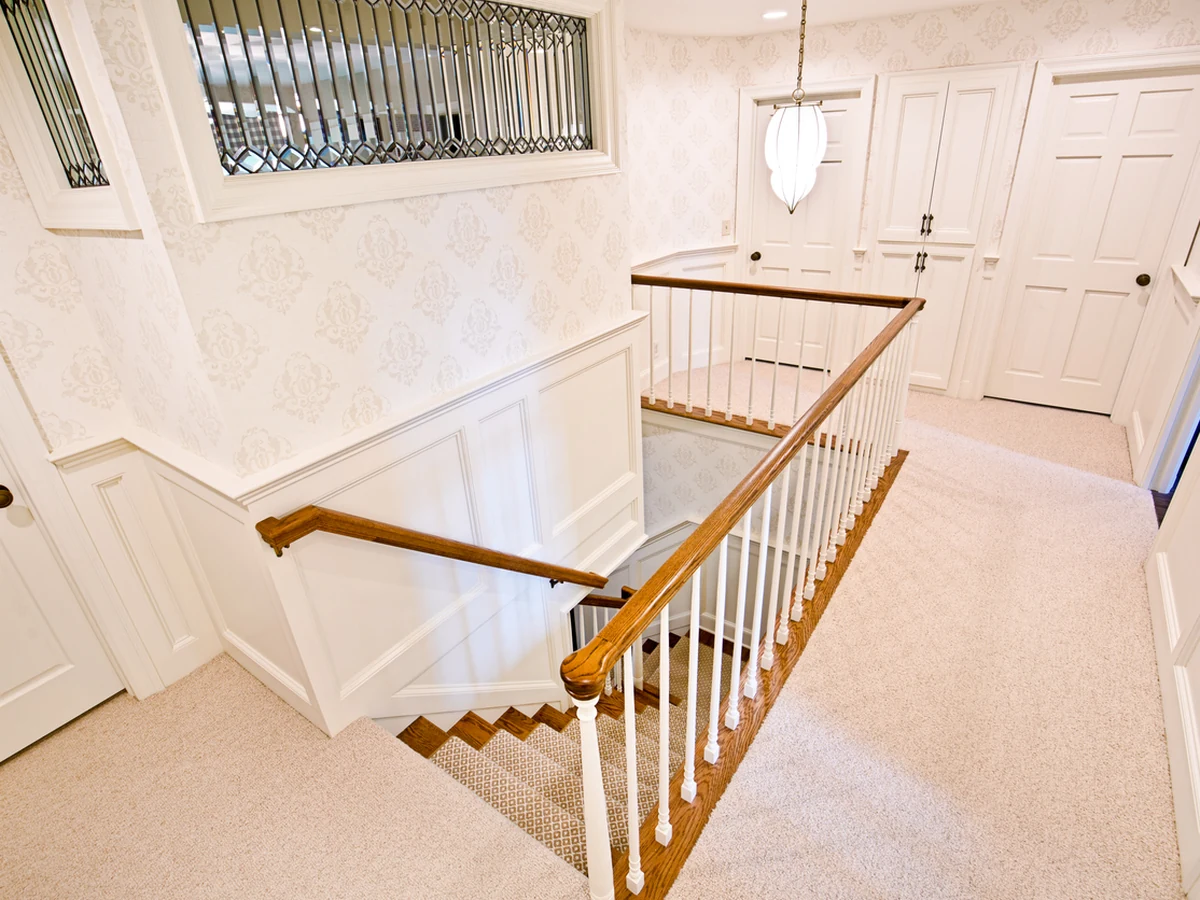
Period properties carry timber skirtings, architraves, picture rails, and dado rails that are worth preserving. Modern replacement joinery does not match the scale or profile of the originals. Getting the paint right protects the timber and extends its life.
Your decorator sands back, fills any cracks, and primes bare timber before applying two finish coats in satinwood or eggshell. Your decorator matches heritage colour ranges from Farrow and Ball, Little Greene, and Dulux Heritage where required. For interior painting in rooms with original features, the joinery treatment is always part of the brief.
Every period property has its own character. Your decorator takes the time to understand the building before specifying any paint system.
Heritage Features and Listed Buildings
Sash windows, ornate plasterwork, and listed building compliance require specialist knowledge and patience that standard decorating teams cannot provide.
Sash Windows
Sash windows are among the most demanding elements in period property painting. Pulleys, cords, and meeting rails all need careful masking. Painting them closed causes them to stick.
Your decorator works sash windows open, painting accessible sections first and returning once dry. Cords and pulleys are checked before starting, with any repairs advised on before painting. Sashes on properties across Littleover Road and Langham Road in Littleover and Mickleover are a regular part of the workload here. See the window frame painting page for more detail.
Cornicing and Ceiling Roses
Ornate plasterwork is a defining feature of Mickleover and Littleover villas and Edwardian properties throughout Derby. Cornicing, ceiling roses, and decorative friezes demand patience and a small brush.
Your decorator cuts in carefully around every detail without bridging relief or filling in recesses with thick paint. Multiple thin coats are always better than one heavy coat on decorative plasterwork. Whether to pick out cornicing in a contrasting colour or paint everything one tone is discussed during the survey. The ceiling painting service covers all ceiling types including ornate plasterwork.
Listed Building Considerations
Properties in Mickleover and Littleover conservation areas, and any listed building in the service area, require paint systems that comply with planning conditions. The wrong product can cause enforcement action and expensive remedial work.
Your decorator works within the relevant planning guidance. This typically means breathable mineral paints, traditional oil-based finishes on external joinery, and no synthetic coatings on exposed stonework or original lime renders. For exterior painting on listed or conservation area properties, the same compliance principles apply.

Your decorator advises on the finish system at the survey stage and recommends consulting the local authority conservation officer where the brief is unclear.
The Process
1. Free Site Visit
Your decorator visits your property and walks every room with you. Your decorator notes surface conditions, existing paint layers, any period features that need individual preparation, and any access requirements.
2. Written Quote
You receive a clear written quote covering every room, surface, and access element. price set out in your decorator’s written quote, not a day rate. The quote does not change unless you add to the scope.
3. Scheduled Work
Your decorator agrees a start date and works through the property room by room. Furniture and floors are protected throughout. Each completed room is left usable at the end of the day.
4. Final Walkthrough
Your decorator walks the finished property with you before leaving. Anything that falls short of the standard is put right on the spot.
Period Property Painting Costs in Derby
Prices are estimates only.

What Drives the Price
Period property work costs more than standard decorating because the preparation, specification, and care required are greater. A Victorian reception room in Mickleover or Littleover typically costs £600 to £1,200 for full redecoration including cornicing, joinery, and walls.
Decorative complexity. Properties with elaborate cornicing, ceiling roses, and original joinery take significantly longer than rooms with plain plasterwork. Paint specification. Heritage mineral paints and breathable finishes cost more than standard trade emulsions and gloss. Condition and preparation. Properties with paint build-up, cracked lime plaster, or damaged joinery require more preparation time.
Typical Ranges
Single Victorian reception room with cornicing: £600 to £1,200. Edwardian three-bedroom interior, full redecoration: £3,000 to £5,500. Large Mickleover or Littleover villa, full property: £5,000 to £10,000.